
 +1-623-439-7197
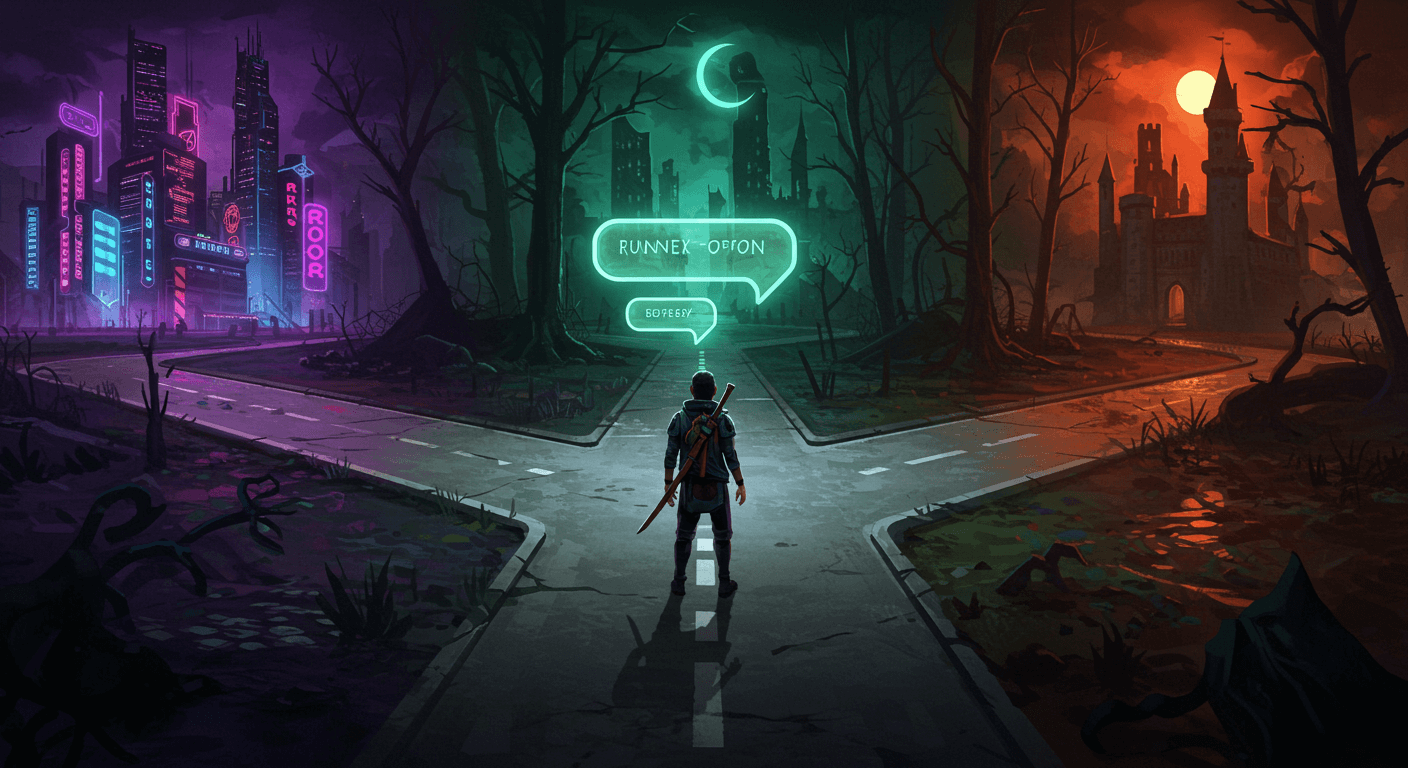
Creating a story for a game is a unique and exciting challenge that blends creativity, structure, and interactivity. Unlike traditional storytelling, game narratives must engage players actively, offering them agency while maintaining a cohesive and compelling plot. Whether you’re an aspiring game writer, a seasoned author exploring a new medium, or a ghostwriter crafting a story for a client’s game, this guide will walk you through the process of writing a story for a game.
Understanding the Role of Storytelling in Games
Games are an interactive medium, and their stories must reflect this. A game’s narrative isn’t just about what happens—it’s about how players experience and influence the story. The best game stories balance player choice with a structured plot, creating an emotional connection while allowing for exploration and decision-making.
Why Game Stories Matter
- Immersion: A well-crafted story pulls players into the game world, making them feel like they’re part of it.
- Emotional Impact: Strong narratives evoke emotions, from joy to tension, enhancing the player’s experience.
- Player Agency: Unlike novels or films, games allow players to shape the story, making their choices feel meaningful.
- Replayability: A dynamic story with branching paths encourages players to replay the game to explore different outcomes.
Step 1: Defining the Game’s Genre
The genre of your game shapes its tone, themes, and storytelling style. Whether you’re writing for a fantasy RPG, a sci-fi shooter, or a cozy narrative-driven game, the genre sets the foundation for your story.
Popular Game Genres and Their Narrative Styles
- Fantasy: Epic tales of heroism, magic, and world-building (e.g., The Witcher).
- Science Fiction: Futuristic settings with themes of technology, exploration, or dystopia (e.g., Mass Effect).
- Horror: Tense, atmospheric stories that evoke fear and suspense (e.g., Dead Space).
- Mystery/Thriller: Intricate plots with twists and turns, often involving detective work (e.g., L.A. Noire).
- Nonfiction-Inspired: Stories grounded in real-world events or settings, adding authenticity (e.g., This War of Mine).
When choosing a genre, consider the game’s mechanics and audience. For example, a fast-paced action game might lean toward a thriller or sci-fi narrative, while a slower, exploration-based game could suit a fantasy or nonfiction-inspired story.
Step 2: Building the Story’s Core Elements
Every game story needs a strong foundation. Here are the key components to develop:
Create a Compelling Premise
Your premise is the hook that grabs players. It should be concise yet intriguing. For example:
- A lone astronaut must uncover the truth behind a derelict space station (sci-fi).
- A detective with amnesia solves crimes in a city where memories are currency (mystery).
- A farmer discovers an ancient artifact that awakens mythical creatures (fantasy).
Develop Memorable Characters
Characters are the heart of your story. Players need to care about the protagonist, allies, and even antagonists.
- Protagonist: Craft a relatable or complex main character whose goals align with the player’s actions.
- Supporting Cast: Create allies and rivals with distinct personalities, motivations, and arcs.
- Nonfiction Touch: If using a nonfiction-inspired approach, base characters on real-world archetypes or historical figures for authenticity.
Design a Dynamic World
The game world is more than a backdrop—it’s a character in itself. Build a setting that feels alive and responsive to player actions.
- Describe the world’s history, culture, and conflicts.
- Use environmental storytelling (e.g., abandoned buildings, graffiti, or diaries) to reveal lore.
- For nonfiction-inspired games, incorporate real-world elements like historical events or cultural details to ground the setting.
Craft a Flexible Plot
Game stories often feature branching narratives, where player choices lead to different outcomes. To achieve this:
- Outline a central conflict (e.g., saving the world, solving a mystery).
- Create multiple paths to resolve the conflict, each with consequences.
- Include side quests or subplots to flesh out the world and characters.
Step 3: Writing the Narrative
With the core elements in place, it’s time to write the story. This involves scripting dialogue, crafting cutscenes, and integrating player choices.
Writing Dialogue
Game dialogue must feel natural yet purposeful. Players will read or hear it in short bursts, so keep it concise and impactful.
- Show Character Personality: Use unique speech patterns to differentiate characters.
- Advance the Plot: Ensure every line moves the story forward or reveals something new.
- Offer Choices: Include dialogue options that let players shape the conversation, such as choosing to be diplomatic, aggressive, or curious.
Incorporating Player Agency
Player choices are what make game stories unique. To integrate agency:
- Offer meaningful decisions that affect the story’s outcome (e.g., sparing or killing a key character).
- Use branching dialogue trees to reflect player personality or strategy.
- Balance freedom with structure to avoid overwhelming the player or derailing the plot.
Nonfiction-Inspired Storytelling
If you’re drawing from nonfiction, weave real-world elements into the narrative:
- Research historical events, cultures, or professions to add authenticity.
- Use real-world conflicts (e.g., war, social issues) as inspiration for the game’s central struggle.
- Ensure the story remains engaging and accessible, even with factual elements.
Step 4: Ghostwriting for Games
If you’re a ghostwriter crafting a story for a client’s game, your approach will differ slightly. Ghostwriting requires aligning with the client’s vision while bringing your storytelling expertise to the table.
Tips for Ghostwriting Game Stories
- Understand the Client’s Vision: Clarify the game’s genre, tone, and target audience upfront.
- Collaborate Closely: Work with designers, artists, and developers to ensure the story fits the game’s mechanics and visuals.
- Maintain Confidentiality: As a ghostwriter, your role is to elevate the client’s project without taking credit.
- Adapt to Feedback: Be open to revisions and align your writing with the client’s goals.
Step 5: Editing the Story
Editing is critical to ensure your game story is polished and cohesive. A well-edited narrative enhances player immersion and prevents plot holes or inconsistencies.
Editing Tips for Game Stories
- Check for Consistency: Ensure character motivations, world rules, and plot points align across all branches.
- Test Player Choices: Verify that all dialogue options and story paths lead to logical outcomes.
- Cut Unnecessary Content: Remove redundant dialogue or overly complex subplots that slow the pacing.
- Polish Dialogue: Refine lines to sound natural and engaging, especially for voice-acted games.
- Involve Playtesters: Get feedback from players to identify confusing or unengaging story elements.
Nonfiction Editing Considerations
For nonfiction-inspired stories, editing involves an extra layer of scrutiny:
- Verify factual accuracy in historical or cultural references.
- Ensure real-world elements enhance rather than overshadow the narrative.
- Balance authenticity with creative freedom to keep the story entertaining.
Step 6: Integrating the Story with Game Mechanics
A game’s story must work hand-in-hand with its mechanics. For example, a puzzle game might use story clues to guide players, while an RPG might tie character progression to narrative milestones.
Ways to Align Story and Mechanics
- Narrative-Driven Mechanics: Design puzzles, combat, or exploration that reflect the story’s themes (e.g., solving a mystery through detective work).
- Choice-Based Mechanics: Allow players to unlock new abilities or items based on story decisions.
- Dynamic Storytelling: Use mechanics like time limits or resource management to heighten narrative tension.
Step 7: Testing and Iteration
Once the story is written and integrated, test it within the game. Playtesting reveals how players experience the narrative and whether it resonates as intended.
How to Test Your Story
- Play the Game: Experience the story as a player to identify pacing issues or confusing moments.
- Gather Feedback: Collect input from playtesters on what works and what doesn’t.
- Iterate Based on Data: Use feedback to refine dialogue, adjust choices, or clarify plot points.
Final Thoughts
Writing a story for a game is a rewarding process that combines creativity, technical skill, and player psychology. By defining a clear genre, building a dynamic world, and crafting a flexible narrative, you can create an immersive experience that captivates players. Whether you’re writing for a fantasy epic, a nonfiction-inspired drama, or ghostwriting for a client, the key is to balance storytelling with interactivity. Through careful editing and iteration, your story will not only fit the game’s mechanics but also leave a lasting impact on players.
By following these steps, you’ll be well on your way to crafting a game story that resonates with players and brings your vision—or your client’s—to life. Happy writing!


