
 +1-623-439-7197
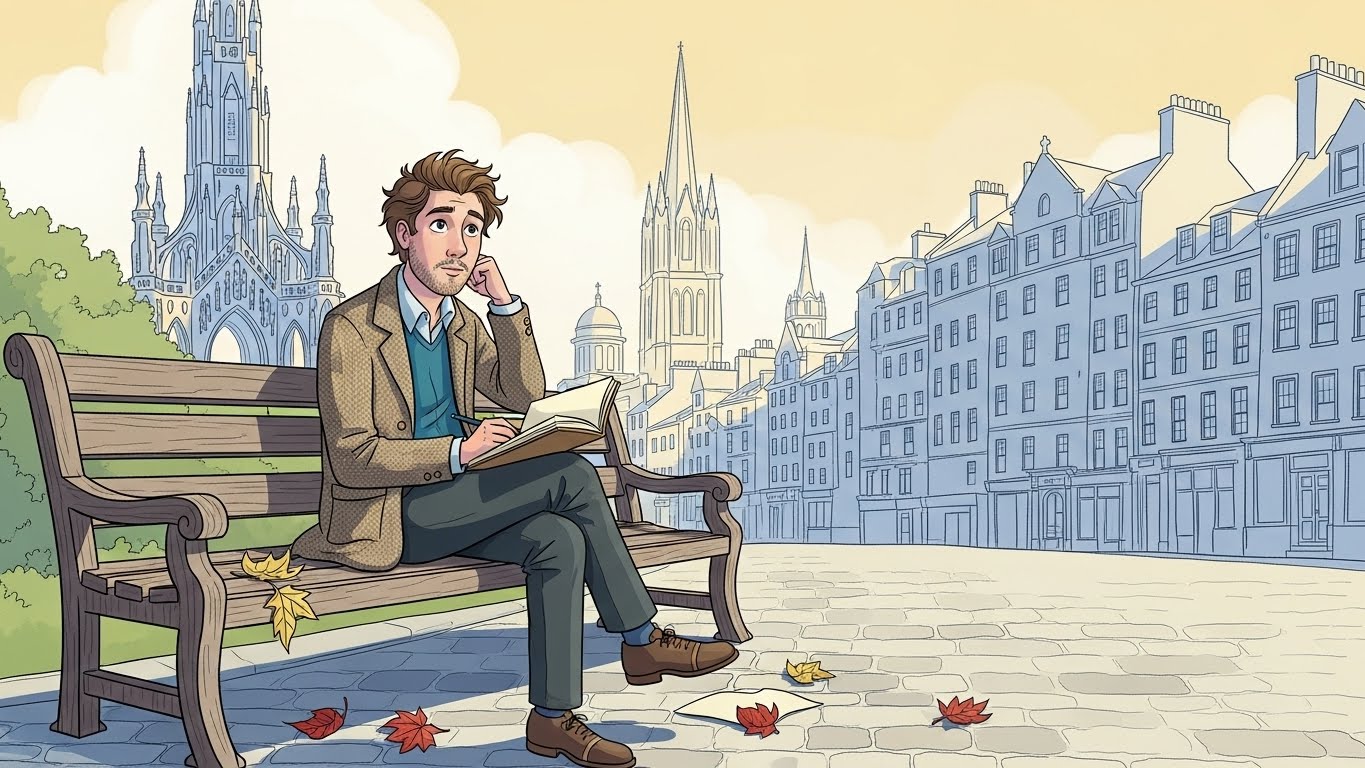
Edinburgh remains a city where poetry is not only written but lived. Every corner, from the Royal Mile to the quiet New Town gardens, carries centuries of storytelling, giving poets a space where words find natural rhythm. As a UNESCO City of Literature, the city embraces creativity with an open heart, encouraging writers from every genre to explore their voice and share it with the world.
Today, poetry is more than just artistic expression—it is also a path toward publishing opportunities, recognition in the literary community, and even early marketing exposure for emerging poets looking to build their author identity. Anthologies in Edinburgh play a significant role in this ecosystem, offering spaces for new and seasoned writers to refine their craft, gain experience with professional editing, and participate in a broader, vibrant creative scene.
Why Edinburgh’s Poetry Scene Stands Out
Edinburgh’s literary landscape blends historical richness with modern innovation, making it a rare creative hub. The city’s festivals, writing workshops, small presses, bookstores, and reading circles support writers at every stage—from early drafts to polished, publication-ready poems.
Poets also benefit from Edinburgh’s active publishing culture, where both traditional and independent publishers collaborate with editors, designers, and marketing professionals to help authors bring their work to life. Whether you write in a nature genre, urban genre, or experimental style, Edinburgh’s scene encourages you to craft your own path.
Top 10 Poetry Anthologies Accepting Submissions in Edinburgh
Below are the 10 anthologies selected for their reputation, creative vision, inclusivity, and consistent call for submissions.
1. Edinburgh Poets Collective Anthology
The Edinburgh Poets Collective values authenticity and emotional clarity. Their editorial board focuses on poems with narrative depth and lyrical detail, reflecting everyday life and personal memory.
Because this anthology works closely with contributors, poets receive meaningful editing support that strengthens structure, rhythm, and imagery. For many writers, this is a perfect first step into the publishing world, offering visibility and a chance to connect with a readership that appreciates heartfelt work.
2. The New Edinburgh Voices Anthology
Created for emerging poets, this anthology champions bold experiments and new stylistic directions. It welcomes a diversity of genres—from reflective free verse to hybrid poems that feel like part poetry, part nonfiction.
The publication often helps contributors shape their pieces with editorial insight, giving them a glimpse into the editing and publishing process. For poets hoping to build an author platform, the anthology’s social media presence offers early marketing exposure, allowing their work to reach wider audiences.
3. North Bridge Poetry Anthology
Symbolizing connection, the North Bridge Anthology explores transitions—emotional, cultural, or personal. The selection often includes narrative poetry, symbolic imagery, and reflective scenes.
Editors here look for polished language and thoughtfully revised poems. Writers who submit are encouraged to treat the process as part of their broader publishing journey: drafting, refining, editing, and finally sharing their work in a respected anthology with a strong community presence.
4. Lothian Literary Review: Anthology Edition
This anthology blends place-based storytelling with modern poetic exploration. Writers across all genres—nature, heritage, contemporary life, or experimental verse—contribute to create a well-rounded collection.
The editing process is especially meticulous, helping poets understand how structure, imagery, and tone affect their publishing readiness. Being published in this anthology also boosts a poet’s credibility, helping them market future works or build recognition for a first poetry book.
5. Castle Hill Poetry Anthology
Known for its historical and atmospheric themes, the Castle Hill anthology attracts writers inspired by Scotland’s past and present. The poetry style often leans toward lyrical or narrative genres, making it an excellent choice for poets who blend storytelling with emotion.
Because the anthology is widely read, publication here can act as a powerful marketing milestone, giving poets a credential to include in future submissions, book proposals, or literary portfolio pages.
6. Heritage & Horizon Anthology
This anthology celebrates the tension between tradition and future-focused vision. Poets often explore themes like family, migration, memory, identity, and cultural evolution—spanning genres from classic forms to experimental prose poetry.
Editors dedicate time to shaping each piece, providing feedback that helps writers prepare for larger-scale publishing or competitive submissions. For poets building a marketing presence, being featured in this anthology adds credibility and showcases stylistic range.
7. Edinburgh Seasonal Voices Anthology
Organized around the four seasons, this anthology values sensory detail and emotional atmosphere. Poems range across multiple genres—from nature poetry to introspective themes.
Writers benefit from a clear submission structure and a thoughtful editing process. Because the anthology is promoted seasonally, contributors also benefit from cyclical marketing—giving their work renewed visibility throughout the year.
8. The Caledonian Poetry Annual
A respected publication across Scotland, the Caledonian Poetry Annual brings together diverse voices and genres. Poets explore culture, landscape, identity, social themes, and emotional storytelling.
The annual nature of this anthology gives poets time to revise and prepare strong submissions. Once published, contributors can leverage their appearance as part of their long-term marketing and publishing strategy, especially when pitching future books or chapbooks.
9. Midnight Sun Poetry Anthology
This anthology embraces darker and introspective themes—shadow, longing, memory, transformation. The genre often leans toward abstract or experimental, making it ideal for poets who push the boundaries of conventional form.
Editors appreciate pieces that undergo thoughtful revision. For poets, appearing in this anthology often enhances their visibility in niche literary circles, helping them build a distinct author brand appealing to specific audiences.
10. Edinburgh Young Poets Anthology
Aimed at writers aged 16–30, this anthology supports early voices exploring themes like identity, relationships, belonging, and social change. Genres vary widely, and the editorial team encourages experimentation.
Contributors gain early publishing experience and may participate in workshops that explain editing, revision, and marketing basics. For young poets who want to start building their literary profile, this anthology is a strong first step.
What Makes Edinburgh a Unique Poetry Hub?
Edinburgh is a city where literature is woven into everyday life. Its ancient architecture, creative communities, and multicultural energy make it a haven for writers from every genre.
The city offers:
- A strong, independent publishing scene
- Access to expert editors
- Frequent poetry readings and open mics
- Festivals that highlight both emerging and established voices
- Networking events that help poets market their work or build collaborations
This blend of culture, opportunity, and creativity makes Edinburgh an ideal place for poets seeking growth, exposure, and connection.
What Editors Look for in Poetry Submissions
While submission preferences vary by anthology, editors commonly value:
1. Clear Voice
Authentic emotion and perspective matter more than strict genre rules.
2. Strong Imagery
Poems that paint visual or emotional pictures stand out.
3. Thoughtful Editing
Editors can quickly identify poems that were revised with care.
4 . Genre Awareness
Even experimental poets benefit from understanding the traditions or themes associated with their chosen style.
5 . Publishing Readiness
A clean, polished poem shows professionalism and increases acceptance chances.
Tips for Preparing Your Poem Before Submitting
1. Refine Your Draft Through Editing
Cut unnecessary words, improve rhythm, and enhance clarity.
2. Understand Genre Expectations
Free verse, narrative poetry, nature poetry, and abstract forms all require different approaches.
3. Read Aloud
Sound matters—even in written poetry.
4. Consider Your Marketing Goals
Ask yourself:
How will this publication help my writing career?
Does this anthology’s theme align with my author identity?
5. Follow Submission Guidelines
Editors appreciate writers who respect formatting and deadlines.
6 . Aim for Publishing-Level Quality
A well-polished poem signals professionalism and increases your chances of acceptance.
Conclusion
Edinburgh’s poetry anthologies offer more than publishing opportunities—they provide community, mentorship, creative inspiration, and meaningful marketing exposure. Whether you write lyrical nature poems, experimental genre blends, or emotionally rich narratives, you’ll find a home for your work among the city’s vibrant literary platforms.
By refining your poem, understanding your genre, and embracing the editing process, you prepare yourself not only for acceptance but for long-term success as a poet. Your voice matters, and Edinburgh’s literary world is ready to hear it.
FAQs
Do I need marketing experience to publish in these anthologies?
No, but publication will naturally help you start building visibility.
Can I submit poems from any genre?
Yes, most anthologies welcome multiple genres, as long as your poem aligns with their theme.
Are the poems edited after acceptance?
Usually, yes. Editors work with contributors to polish the final version.
Does being published help with future book deals?
Absolutely. Publishing credits strengthen your author profile and marketability.
Should I revise before submitting?
Always. Editing your poem carefully increases your chances of being accepted.


