
 +1-623-439-7197
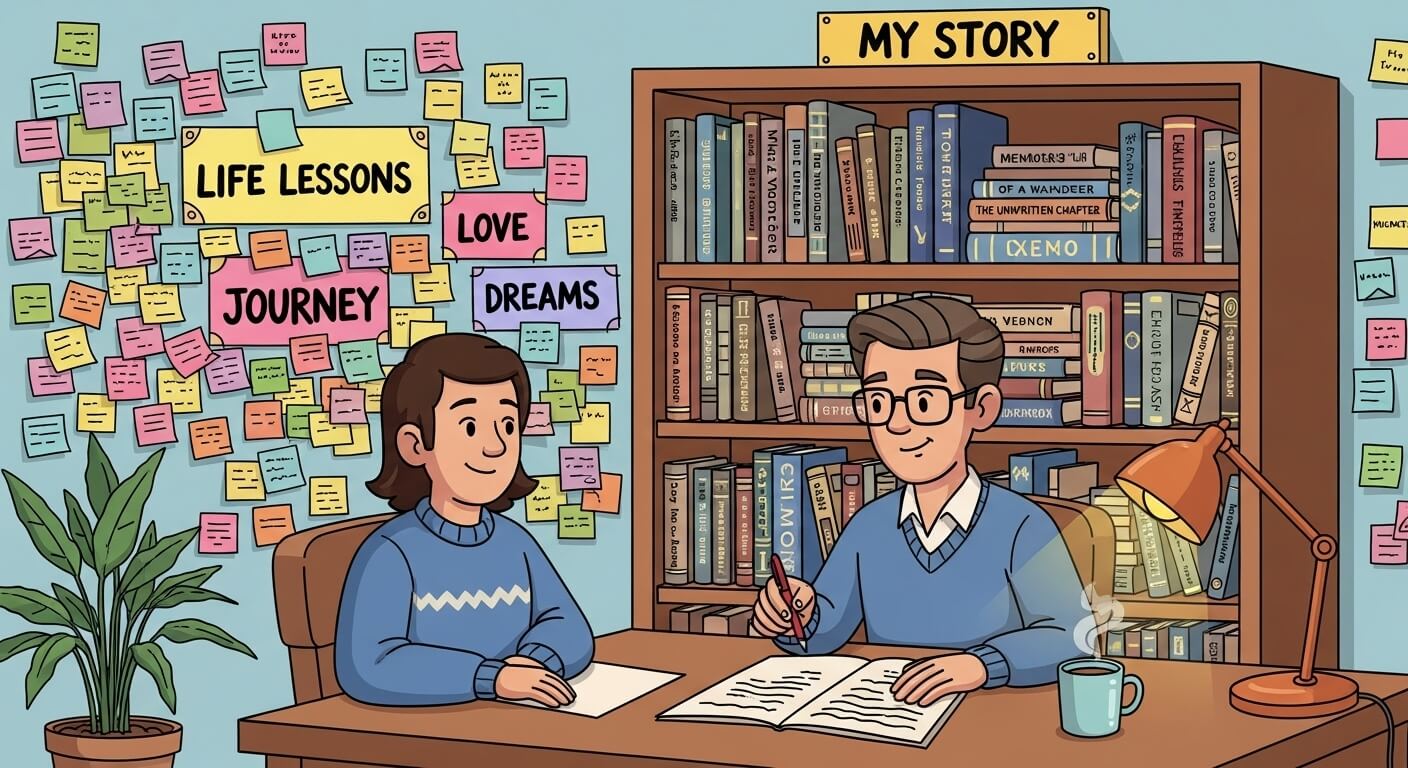
Every person carries a story — one that’s filled with lessons, heartbreaks, triumphs, and unforgettable moments. But what if you could turn your personal journey into a book that inspires others, preserves your memories, and even builds your legacy? Writing about your life isn’t just about storytelling; it’s about transforming your real-life experiences into a meaningful narrative that connects with readers on an emotional level.
In today’s world, readers crave authenticity. They want stories that feel real — tales of resilience, change, and growth. Whether you’re thinking of writing a memoir, a self-help book based on your life lessons, or a fictionalized version of your journey, learning how to shape your life into a compelling story is the first step.
Let’s dive into how to turn your life experiences into a book that readers won’t forget — and how you can do it with creativity, purpose, and confidence.
Why Write About Your Life?
Before you start typing your first chapter, ask yourself why you want to write this book. Your “why” will guide your writing tone, structure, and even your book’s marketing later. Here are some common reasons people turn their experiences into books:
- To inspire others: Your story could be the motivation someone needs to overcome their own struggles.
- To heal and reflect: Writing can be deeply therapeutic, helping you process past events and emotions.
- To leave a legacy: A book ensures your story lives beyond you — for family, friends, or even the world.
- To educate or guide: Many authors use their personal journeys to teach lessons, share expertise, or offer advice.
Once your purpose is clear, you’ll find it easier to decide what to include — and what to leave out.
Step 1: Find Your Central Message
Every great book — even one based on true experiences — revolves around a central message. This message, often called your theme, gives your story direction and emotional depth.
Ask yourself:
- What lesson did I learn through my journey?
- What do I want my readers to take away?
- If I had to summarize my book’s message in one sentence, what would it be?
For example:
- “Even small acts of courage can change your life.”
- “Healing takes time, but forgiveness makes it possible.”
- “Success isn’t about winning — it’s about not giving up.”
Once you know your message, everything you write should connect back to it.
Step 2: Choose the Right Format or Genre
Not all life-based books have to be memoirs. Depending on your goal, you can present your story in different genres and styles.
| Type of Book | Description | Best For |
| Memoir | A true account of a specific part or phase of your life. | Sharing personal growth or emotional journeys. |
| Autobiography | A chronological story of your entire life. | Capturing your life history for legacy purposes. |
| Self-Help / Motivational | Uses personal experiences to teach lessons or offer advice. | Inspiring or guiding others through your insights. |
| Fiction Based on Real Events | Inspired by your experiences but told through fictional characters. | Adding creative freedom or protecting privacy. |
| Nonfiction Narrative | Blends fact and storytelling — ideal for true events written like a novel. | Engaging readers with dramatic, factual storytelling. |
Choosing the right genre helps shape your storytelling style and target audience. For instance, a memoir demands emotional honesty, while a fiction-inspired story gives you more creative room.
Step 3: Gather Your Memories
Turning life experiences into a book begins with collecting memories — both big and small. You don’t need to write in order. Start with the moments that feel most vivid or emotional.
Here’s how to gather your material:
- Journals and Letters: Go through old notebooks, emails, or diaries. They often hold forgotten details.
- Photos: Pictures can trigger emotions and scenes you might have overlooked.
- Conversations: Talk to friends or family who shared parts of your journey; they might recall things you missed.
- Sensory recall: Remember the smells, sounds, and feelings tied to your memories — they make scenes come alive.
Once you have your memories gathered, sort them by theme rather than date. This keeps your book cohesive and emotionally powerful.
Step 4: Turn Experiences Into a Story
This is where real memories become a story. A book — even a nonfiction one — must have structure, tension, and flow. Readers want a journey, not just a list of events.
Try using this simple story structure:
- Beginning – The Ordinary World: Show what your life was like before the major event or change.
- Conflict – The Turning Point: Introduce the struggle, challenge, or decision that shaped your journey.
- Climax – The Breaking Point: Highlight the emotional peak where everything changes.
- Resolution – The Lesson Learned: Show how you grew, changed, or found meaning through the experience.
Even if your story is entirely true, treat it like a novel — build anticipation, show transformation, and make readers feel what you felt.
Step 5: Be Honest, But Also Thoughtful
Authenticity is what draws readers in. Don’t shy away from showing your weaknesses or fears — vulnerability creates connection. However, balance honesty with empathy and privacy.
Keep these points in mind:
- Avoid blaming or exposing others negatively — focus on your journey.
- Protect sensitive details when necessary (change names or places).
- Show emotional truth more than literal detail — readers relate to feelings, not dates.
Your book should be a reflection of your truth, not revenge or confession.
Step 6: Editing — Polishing Your Story
Once your first draft is done, it’s time to refine it through editing. This step transforms a raw manuscript into a professional book.
Key editing stages include:
- Developmental Editing: Checks the overall structure, pacing, and emotional impact.
- Line Editing: Improves sentence flow, tone, and consistency.
- Copyediting: Corrects grammar, punctuation, and clarity.
- Proofreading: Final polish before publishing.
If you’re unsure where to start, consider hiring a professional editor or a ghostwriter who specializes in nonfiction or memoirs. They can help bring out your voice while improving readability and market appeal.
Step 7: Publishing Your Story
Once your manuscript is ready, you can choose between traditional publishing and self-publishing.
- Traditional Publishing:
Offers professional editing, marketing, and distribution — but requires finding a literary agent and may take longer to publish. - Self-Publishing:
Gives you creative control, faster publishing, and higher royalties — but you handle editing, marketing, and design yourself (or hire freelancers).
Today’s digital platforms like Amazon Kindle Direct Publishing (KDP) or IngramSpark make self-publishing easier and affordable.
Remember to craft a captivating book blurb, choose a memorable title, and design a professional cover — these are crucial marketing elements that attract readers.
Step 8: Marketing Your Life Story
Even the most powerful book needs readers to shine. Marketing ensures your story reaches the right audience.
Here are a few smart ways to promote your book:
- Build a personal author website or blog to share behind-the-scenes content.
- Use social media to post quotes, photos, and short videos related to your story.
- Do podcast interviews or write guest articles on topics your book touches on.
- Offer free chapters or samples to hook potential readers.
- Encourage readers to leave reviews — they help build credibility fast.
If you’re working with a publishing company, they might help you with professional marketing campaigns, especially if your story has an emotional or social impact.
Final Thoughts
Your life is already a masterpiece — all that’s left is to write it. By focusing on your message, choosing the right format, editing with care, and publishing with confidence, you can turn your experiences into a story that touches hearts and inspires minds.
Whether your journey is about loss, love, resilience, or rebirth, your story deserves to be told — and the world deserves to read it.
So open that notebook, breathe in your memories, and begin. The book of your life is waiting for you to write the first word.


