
 +1-623-439-7197
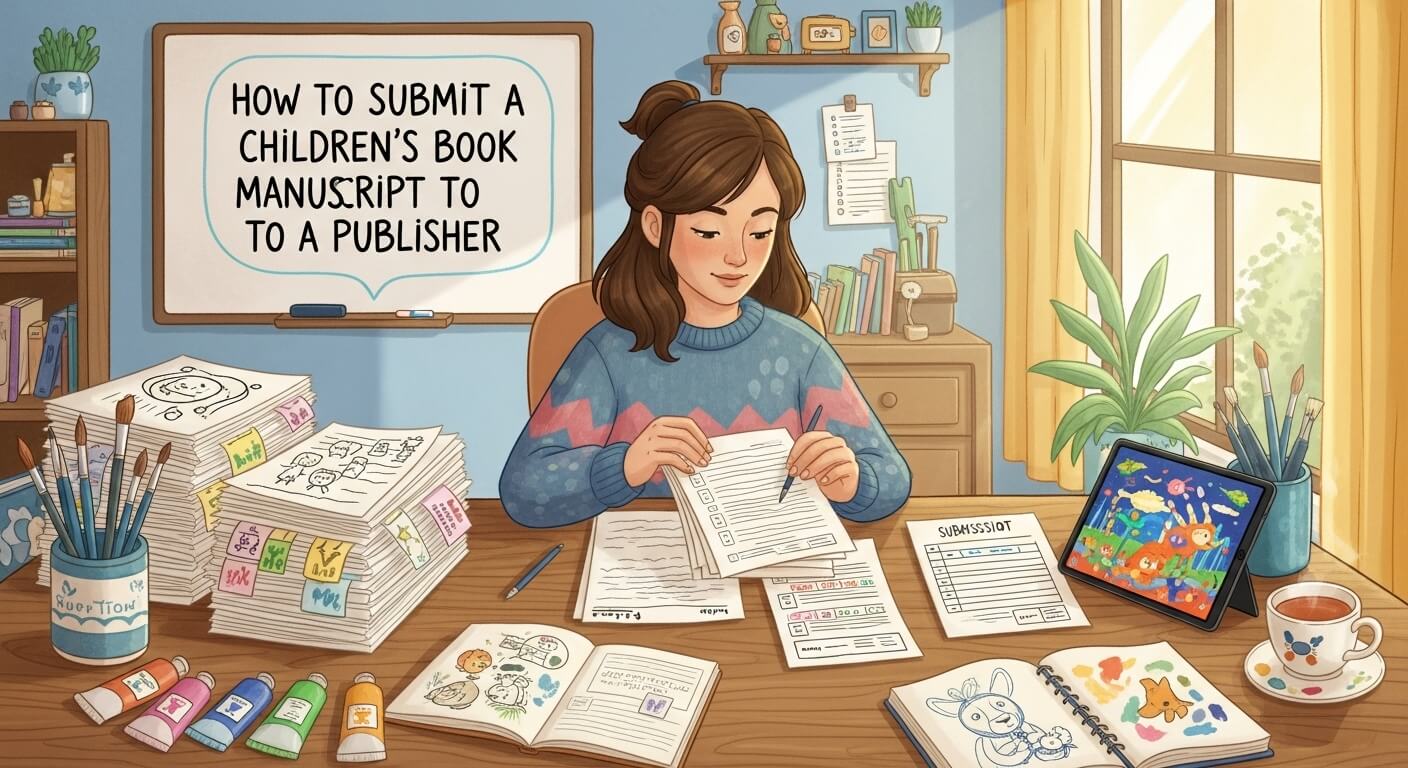
Writing a children’s book is a thrilling adventure, but finishing your manuscript is just the beginning. The real challenge—and excitement—comes when you prepare to submit your children’s book manuscript to a publisher. Getting your story into the hands of young readers requires careful planning, research, and attention to detail.
In this guide, we’ll walk you through every step, from perfecting your manuscript to preparing a standout submission package, choosing the right publishers, and understanding what happens after you hit “send.”
Understanding the Children’s Book Industry
Before submitting your manuscript, it’s essential to understand the children’s book market. This industry is diverse, with multiple genres and age categories. Knowing where your book fits will help you target the right publishers and improve your chances of success.
- Picture Books: Ideal for ages 0–8, heavily dependent on illustrations. Word count is typically 500–1,000 words.
- Early Readers: Targeting ages 5–7, with simple language and short chapters to support independent reading.
- Middle-Grade Books: Designed for ages 8–12, featuring more complex plots, characters, and subplots.
- Young Adult (YA): For readers aged 12+, often tackling deeper themes and longer narratives.
Understanding your genre is critical. Publishers often specialize in specific age groups or genres, and submitting to the right match increases the likelihood of acceptance.
The Role of Editing
Even the most imaginative story needs careful editing. A well-edited manuscript shows publishers that you are professional and serious about your craft.
Steps to Editing Your Manuscript:
Self-Editing:
- Read aloud to detect awkward phrasing.
- Check for consistency in character names, settings, and plot points.
- Simplify language for your target age group.
Professional Editing:
- Hire a developmental editor for story structure, pacing, and character development.
- Use a copy editor to catch grammar, punctuation, and stylistic issues.
Feedback from Beta Readers:
- Share your manuscript with parents, teachers, or kids within the age range.
- Collect input on clarity, engagement, and character relatability.
A polished, error-free manuscript increases your chances of impressing editors and publishers.
Building Your Submission Package
Submitting your manuscript is more than sending a document—it’s about presenting a professional and compelling package. Most publishers expect a combination of the following:
1. Query Letter:
A concise letter that introduces your manuscript, your background as an author, and why your book fits the publisher’s catalog.
2. Synopsis:
A one- or two-page summary that outlines your plot, main characters, conflict, and resolution.
3. Manuscript:
Fully edited and formatted according to publisher guidelines. Include a title page, page numbers, and a readable font like Times New Roman 12pt.
4 . Illustration Samples (if relevant):
For picture books, include sample pages or illustrations to demonstrate your vision.
Choosing the Right Publisher
Not every publisher accepts unsolicited submissions. Research is key to submitting successfully. Look for publishers that:
- Specialize in children’s literature.
- Accept manuscripts directly from authors.
- Clearly outline submission guidelines on their websites.
Types of Publishers
1. Traditional Publishers:
Large publishers such as HarperCollins or Scholastic. Some accept unsolicited picture book submissions.
2. Independent Publishers:
Smaller presses often accept manuscripts directly and may focus on niche genres.
3 . Hybrid and Small Presses:
Offer partial publishing services, giving authors more control while handling production and distribution.
Targeting the right publisher saves time and increases your chances of acceptance.
The Submission Process
Once your package is ready, you’re ready to submit.
Digital Submission: Many publishers prefer email or online portals. Attach your query letter, manuscript, and additional documents.
Printed Submission: Some publishers accept hard copies. Include a self-addressed stamped envelope if required.
Patience: Responses can take weeks or months. Avoid submitting to the same publisher multiple times unless allowed.
After Submission
- Rejection: Common and normal. Use feedback to improve.
- Request for Full Manuscript: Initial excerpts may lead to a full manuscript request.
- Contract Offer: If accepted, carefully review the publishing contract.
Avoiding Common Mistakes
- Ignoring submission guidelines.
- Submitting unedited manuscripts.
- Writing overly long or vague query letters.
- Sending manuscripts to publishers who don’t accept unsolicited submissions.
- Failing to research the publisher’s genre focus.
By avoiding these pitfalls, you increase your chances of making a strong impression.
Marketing, Editing, and Publishing
Publishing a children’s book involves collaboration and effort beyond manuscript acceptance:
Editing: Work with editors to refine your story further.
Marketing: Promote your book through social media, school visits, and online campaigns.
- Genre Strategy: Understand your book’s niche to reach the right audience effectively.
Submitting Without an Agent
While literary agents can simplify the process, many authors submit successfully on their own:
- Identify publishers open to unpatented submissions.
- Create a professional, compelling submission package.
- Network with industry contacts through workshops, writing groups, and conferences.
- Stay patient and persistent—rejection is part of the journey.
Conclusion
Submitting a children’s book manuscript requires preparation, professionalism, and persistence. From editing and research to crafting a polished submission package and choosing the right publisher, every step matters. By understanding the children’s book market, following guidelines, and presenting your manuscript thoughtfully, your story can make its way from your desk to the hands of young readers worldwide.
The process may be challenging, but sharing your creativity and imagination with children is incredibly rewarding. With dedication and strategy, your children’s book can find the audience it deserves, inspiring a new generation of readers.


