
 +1-623-439-7197
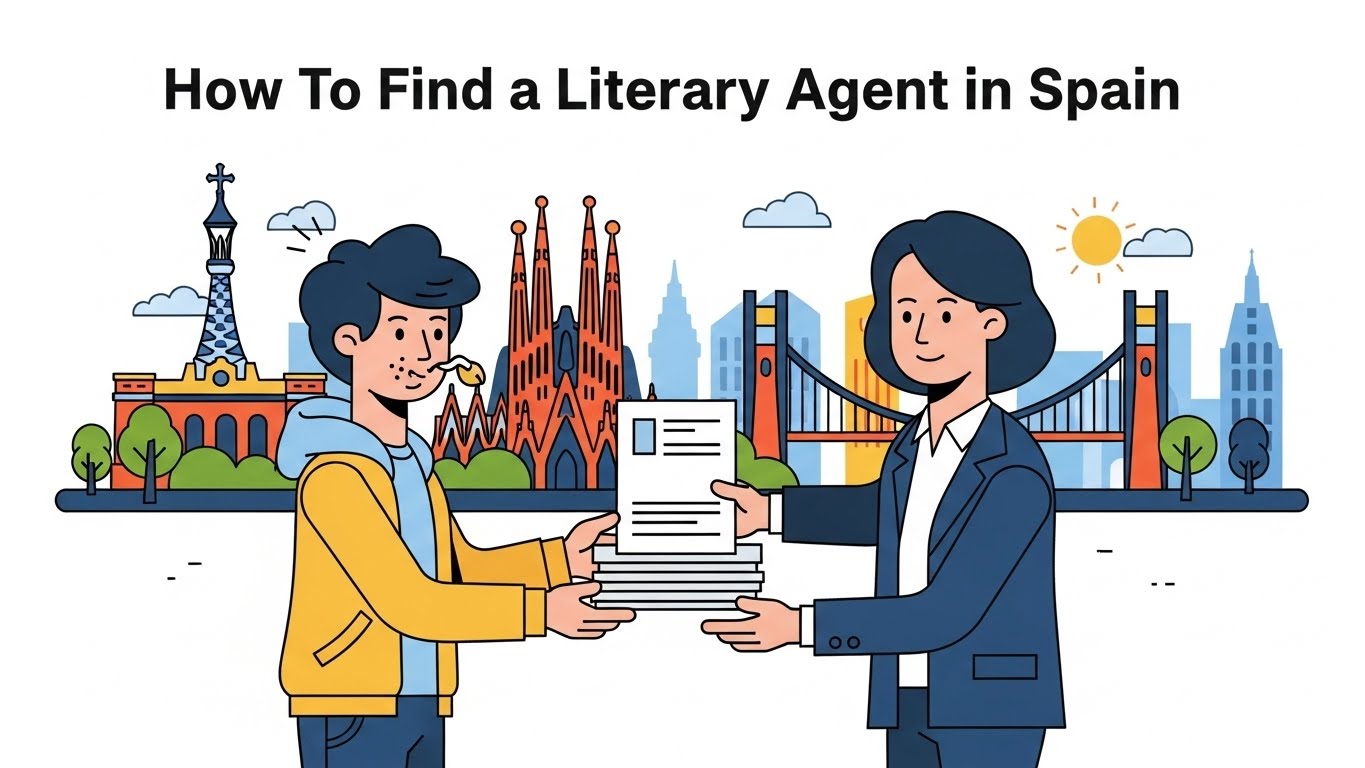
Finding a literary agent in Spain can feel like navigating a maze—but with the right strategy, research, and persistence, you can successfully connect with an agent who will champion your work. Literary agents play a crucial role in the publishing process, from negotiating contracts to guiding your manuscript through editing and marketing phases. Whether you write fiction, non-fiction, or genre-specific books, understanding the Spanish market and approaching agents professionally is key.
In this guide, we’ll walk you through 8 actionable steps to find a literary agent in Spain and boost your chances of getting published.
Step 1: Understand the Role of a Literary Agent
Before reaching out to agents, it’s important to know exactly what they do. In Spain, literary agents act as intermediaries between authors and publishers, helping to place manuscripts in the right hands and securing favorable contracts. Their responsibilities often include:
- Manuscript assessment: Evaluating whether your book has commercial potential.
- Editing guidance: Offering feedback to polish your manuscript and make it publisher-ready.
- Contract negotiation: Ensuring you receive fair terms for royalties, rights, and licensing.
- Marketing support: Advising on book positioning and potential marketing strategies.
Understanding these roles helps you tailor your approach to agents, showing that you respect their expertise and understand the business side of publishing.
Step 2: Research Spanish Literary Agents
Spain has a growing literary market with a variety of agents specializing in different genres, from literary fiction to thrillers, romance, and young adult novels. Here’s how to find them:
- Directories: Use Spanish literary directories such as the Asociación de Agentes Literarios de España (AALE) to find reputable agents.
- Publisher websites: Some publishers list the agents they collaborate with.
- Literary events: Book fairs like Feria del Libro de Madrid or Barcelona International Literary Fair offer opportunities to network with agents.
- Online research: Many agents maintain active websites or social media profiles with submission guidelines.
When researching, take note of:
- The genre they represent.
- Recent books they’ve helped publish.
- Their submission preferences (email, online form, or postal submission).
Step 3: Prepare a Professional Submission Package
A well-prepared submission package can make or break your chances of attracting a literary agent. In Spain, a typical package includes:
- Query letter: A concise, engaging introduction about your book, your background, and why you chose that agent.
- Synopsis: A one- to two-page summary highlighting your plot, main characters, and genre.
- Sample chapters: Usually the first 1–3 chapters or 30–50 pages. Make sure these are polished and edited.
Editing is crucial here. A manuscript with typos or structural issues can signal a lack of professionalism. Many authors invest in a professional editor before submission to make their work stand out.
Step 4: Tailor Your Approach to Each Agent
Generic queries are often ignored. Spanish literary agents prefer authors who:
- Know their portfolio. Mention books they have represented that resonate with your genre.
- Explain why their expertise fits your work.
- Follow submission guidelines carefully.
For example, if an agent specializes in historical fiction, highlight how your novel fits that category and why Spanish readers would enjoy it. Personalization shows effort and increases your chances of a positive response.
Step 5: Attend Literary Events and Network
Networking in person remains one of the most effective ways to meet agents in Spain. Consider:
- Book fairs: Attend events in Madrid, Barcelona, and Valencia. Many agents hold open sessions for queries or panels.
- Workshops and conferences: Writing workshops often invite agents as guest speakers.
- Literary societies: Joining Spanish writing groups or online forums can connect you with professionals in the field.
When networking, focus on building genuine relationships rather than just pitching your book. Agents are more likely to respond if they remember a personal interaction.
Step 6: Understand the Spanish Publishing Market
Spain’s literary market has unique characteristics:
- Strong readership in genre fiction (thrillers, romance, YA).
- Emphasis on literary quality alongside commercial viability.
- Preference for works that can appeal internationally, particularly in Latin America.
Knowing the market allows you to position your manuscript effectively. Discussing marketing potential in your query letter—without overselling—can make your submission more compelling.
Step 7: Follow Up Professionally
Patience is key. Agents may take weeks or months to respond. Best practices for follow-up:
- Wait at least 6–8 weeks before sending a polite inquiry.
- Keep emails concise and professional.
- Avoid repeated queries; multiple emails can create a negative impression.
Remember, rejection is common. Use it as an opportunity to refine your manuscript or query package. Many successful Spanish authors faced several rejections before finding the right agent.
Step 8: Sign Contracts and Collaborate
Once an agent expresses interest, carefully review the contract. Pay attention to:
- Commission rates: Typically 15–20% of royalties in Spain.
- Rights management, including translation and foreign sales.
- Duration of representation and termination clauses.
After signing, maintain open communication with your agent. Their insights into editing, marketing, and publishing strategies can significantly enhance your career. Collaboration can also include:
- Suggesting edits to improve readability or commercial appeal.
- Planning book launches and marketing campaigns.
- Targeting specific genres or reader demographics for promotion.
Bonus Tips for Aspiring Authors
- Polish your manuscript: Professional editing is essential.
- Build your author platform: Agents notice writers with an online presence or following.
- Be patient and persistent: Finding a literary agent in Spain can take time, but persistence often pays off.
- Stay informed: Subscribe to Spanish literary news to track trends in publishing, marketing, and popular genres.
Conclusion
Finding a literary agent in Spain is a journey that requires preparation, research, and patience. By understanding the Spanish market, targeting agents aligned with your genre, and presenting a professional submission, you significantly improve your chances of securing representation. Remember, an agent isn’t just a facilitator—they are a partner in your publishing journey, guiding your work from polished manuscript to well-marketed book.
Following these 8 steps—understanding the role of agents, researching, preparing submission packages, tailoring queries, networking, understanding the market, following up, and collaborating—you will be well on your way to connecting with the right literary agent and achieving publishing success in Spain.


