
 +1-623-439-7197
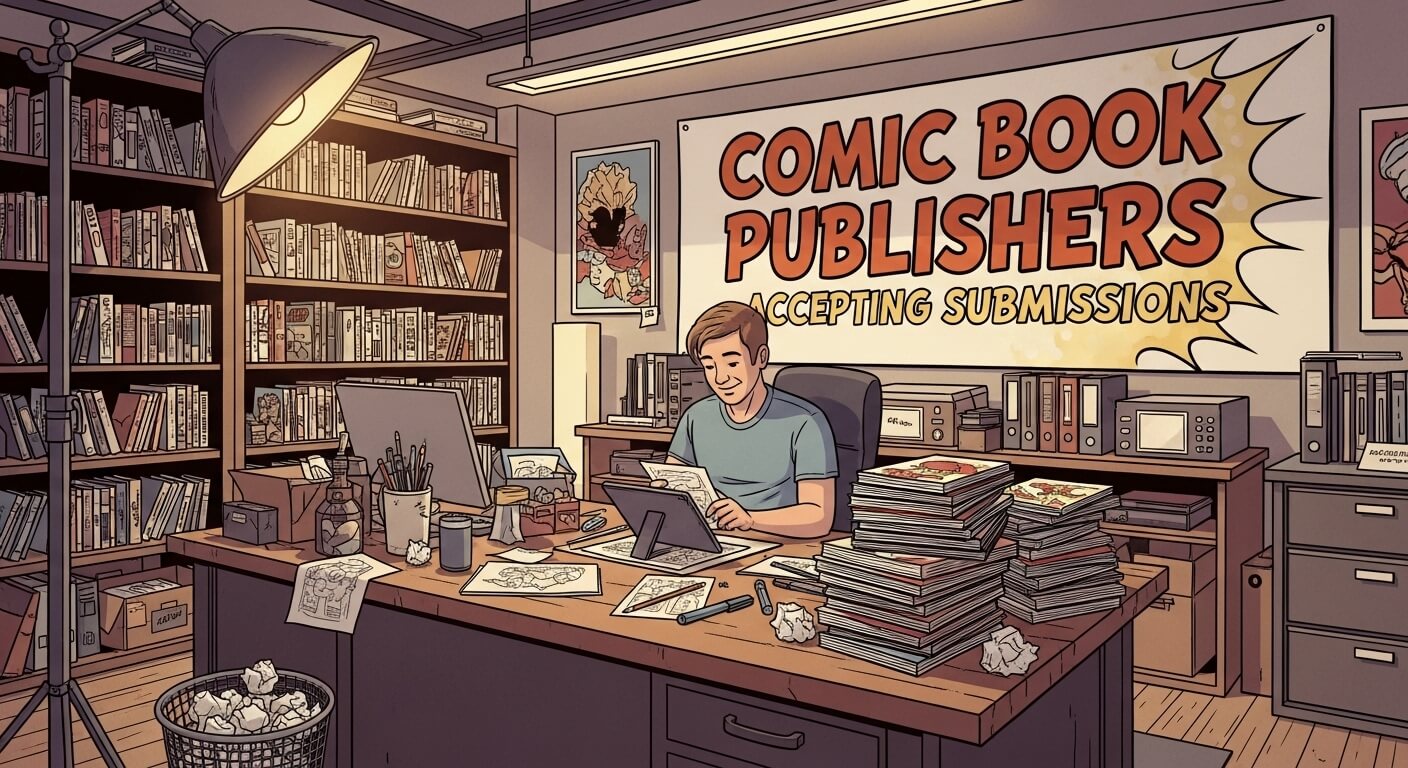
The world of comic books is vibrant, dynamic, and full of opportunities for writers and illustrators alike. Whether you have a fully illustrated graphic novel or a series idea, getting published in today’s competitive market can feel daunting. However, numerous comic book publishers are actively accepting submissions, looking for fresh voices, innovative stories, and distinctive artistic styles. Understanding how to prepare your work, approach publishers, and navigate the publishing process is crucial for any aspiring comic book creator.
In this guide, we’ll explore key tips for submitting your comic book, highlight some leading publishers accepting submissions, and discuss the role of editing, marketing, and genre in creating a successful comic book.
Understanding the Comic Book Submission Process
Before diving into publishers, it’s essential to understand what comic book publishers typically look for. A submission is more than just a story or artwork—it’s a combination of creativity, professionalism, and market awareness.
1. Manuscript and Art Quality
A comic book manuscript should have a clear, compelling storyline with well-defined characters and pacing. For illustrated submissions, the art quality is equally critical. Publishers want to see your ability to tell a story visually, using panel layout, composition, and expressive characters to enhance the narrative.
2. Genre Matters
The genre of your comic plays a significant role in whether a publisher will accept your work. Popular comic book genres include:
- Superhero adventures
- Fantasy and science fiction
- Mystery and thriller
- Horror
- Romance and slice-of-life
- Humor and satire
Understanding your target audience and genre trends can make your submission more appealing.
3. Submission Guidelines
Each publisher has its own set of submission requirements. Common elements include:
- A query letter summarizing your project
- Sample pages or completed comics
- Character designs or concept art
- A synopsis of the story or series
- Contact information and author/illustrator biography
Following these guidelines carefully is crucial. Publishers often reject submissions that don’t adhere to their requirements, regardless of quality.
4. Editing and Professional Presentation
Before submitting, ensure your work is professionally edited. Even a small typo or inconsistency in your artwork can reduce your chances. Editing also extends to layout, color consistency, and panel flow—ensuring your comic reads smoothly and professionally.
5. Marketing and Pitching
While the story and artwork are central, publishers appreciate creators who understand marketing. A comic book creator who can engage audiences online, participate in comic conventions, and promote their work demonstrates added value.
Top Comic Book Publishers Accepting Submissions
Below is a curated list of comic book publishers actively accepting submissions, along with guidance on what they look for. Each section highlights the publisher’s focus, submission preferences, and unique qualities.
1. Image Comics
Focus: Creator-owned comics across multiple genres, including superhero, fantasy, and sci-fi.
Image Comics is renowned for championing creator-owned projects, giving artists and writers full control over their intellectual property. They value unique voices, bold concepts, and polished artwork. Submissions should include a query letter, a synopsis, and sample pages. For creators who excel in both storytelling and artistic execution, Image Comics provides a supportive platform for growth, publishing, and marketing your comic to a global audience.
2. Dark Horse Comics
Focus: Science fiction, fantasy, horror, and licensed properties.
Dark Horse Comics has built a strong reputation for innovative storytelling and high-quality artwork. They are particularly interested in genre-defining projects, licensed adaptations, and bold original ideas. A complete submission includes sample pages, a synopsis, and your author/artist biography. Dark Horse often supports creators through editing and marketing guidance, helping your comic gain traction with fans.
3. IDW Publishing
Focus: Licensed properties, graphic novels, and indie projects.
IDW Publishing specializes in both licensed franchises and independent comics. They accept submissions from emerging artists and writers, particularly those who have a strong sense of visual storytelling. Submissions should include a cover letter, artwork samples, and a clear summary of your comic’s premise. With professional editing and marketing support, IDW provides creators a path to widely distributed printed and digital comics.
4. BOOM! Studios
Focus: Fantasy, horror, action-adventure, and family-friendly comics.
BOOM! Studioshaves gained recognition for diverse storytelling, including family-oriented and all-ages comics. They encourage creators to submit pitches that showcase originality, strong narrative arcs, and visually compelling characters. Sample pages and a story synopsis are required, with an emphasis on clarity and editing quality. BOOM! Studios also assists creators in marketing campaigns, helping your comic reach comic stores and digital platforms.
5. Oni Press
Focus: Slice-of-life, drama, humor, and indie-style comics.
Oni Press is known for publishing independent voices and unique storytelling. They value authentic narratives, strong character development, and fresh perspectives on everyday life or fantastical adventures. Submissions should include a detailed synopsis, sample pages, and an overview of your vision. Oni Press supports creators through editing, design advice, and marketing strategies to help your comic succeed in both print and online formats.
6. Archie Comics
Focus: All-ages stories, humor, and classic franchises.
Archie Comics continues to embrace both modern storytelling and its iconic characters. They welcome submissions for all-ages comics with engaging humor, relatable characters, and clear storytelling. Sample pages and a synopsis are essential, as well as a concise explanation of your creative style. With editorial and marketing support, Archie Comics provides a platform for both new and established creators to develop recognizable works.
7. Valiant Entertainment
Focus: Superhero and action-packed narratives.
Valiant Entertainment focuses on superhero universes and high-action stories. They value innovative takes on classic superhero tropes and well-paced storytelling. Submissions require sample pages, a clear synopsis, ana d professional presentation. Valiant works closely with creators, providing editing, design, and marketing support, ensuring your comic has a strong visual and narrative impact.
8. Scout Comics
Focus: Independent, genre-diverse comics.
Scout Comics supports emerging creators and indie comics across multiple genres, including horror, sci-fi, and fantasy. They look for visually striking concepts and cohesive storytelling. Submissions should include a synopsis, sample pages, and concept art. Scout Comics also offers guidance on publishing and marketing, helping new creators break into the competitive comic book industry.
9. AfterShock Comics
Focus: Mature, edgy, and innovative stories.
AfterShock Comics is known for bold, provocative narratives with a strong artistic vision. They are open to submissions from creators who push boundaries and offer compelling stories across multiple genres. Sample pages, a synopsis, and an introduction to the creator’s vision are required. AfterShock also provides editing support and marketing insights, helping creators connect with an audience that appreciates bold storytelling.
10. Ahoy Comics
Focus: All-ages, humor, and unique indie stories.
Ahoy Comics publishes original stories that are humorous, creative, and visually distinctive. They encourage submissions from writers and illustrators with unique voices and engaging characters. A clear synopsis and sample artwork are essential for submission. Ahoy Comics emphasizes editorial guidance and marketing assistance, ensuring your work reaches both traditional and digital readers.
Preparing Your Submission for Success
While knowing which publishers accept submissions is valuable, success often depends on how well you prepare your material. Here’s a practical approach:
1. Polish Your Story and Art
Even small improvements in dialogue, pacing, or panel composition can elevate your work. Use feedback from peers or professional editors to refine both your narrative and illustrations.
2. Understand Publisher Expectations
Study the publisher’s catalog to ensure your work aligns with their style and audience. Tailor your pitch to highlight why your comic is a perfect fit.
3. Include a Professional Query Letter
A strong query letter introduces your story, showcases your style, and briefly explains your creative background. Keep it concise and professional.
4. Showcase Your Best Work
Select 3–5 pages that best represent your style and storytelling ability. Publishers often make initial decisions based on the strength of your samples.
5. Follow Submission Guidelines Carefully
Adhering to format, file size, and content requirements demonstrates professionalism and respect for the publisher’s process.
The Role of Editing, Marketing, and Genre
Editing ensures that your comic is free of inconsistencies, plot holes, and awkward pacing. Even the most talented artists benefit from professional editing to refine dialogue, panel flow, and narrative structure.
Marketing is increasingly important in today’s competitive industry. Publishers value creators who can engage audiences through social media, conventions, and online platforms. Demonstrating a marketing mindset can make your submission stand out.
Genre informs both story structure and audience engagement. Understanding what resonates in your genre helps in crafting compelling plots, character arcs, and artistic choices. Publishers often specialize in particular genres, so aligning your submission increases the chance of acceptance.
Conclusion
Breaking into the comic book industry is challenging but achievable with the right preparation, understanding of publisher expectations, and attention to editing, marketing, and genre trends. Whether your story is a superhero saga, a slice-of-life tale, or a fantastical adventure, numerous publishers actively accept submissions from emerging creators.
By crafting a professional submission, researching publishers carefully, and presenting your work with confidence, you can increase your chances of seeing your comic book in print. The comic book industry thrives on fresh voices and unique visions—yours could be the next story that captivates readers worldwide.
Aspiring creators should remember: perseverance, polish, and passion are just as important as talent. Submitting your work may feel intimidating, but every successful comic book artist and writer started with a single submission.
Disclaimer: Cloud Ghostwriting provides details about publishers and submission opportunities solely for informational purposes. We are not affiliated with or endorsed by any publishing houses, and we do not guarantee anything related to submissions, acceptance, or publication outcomes. Our role is to support authors through professional writing, editing, and marketing services that strengthen their manuscripts and publishing readiness.


