
 +1-623-439-7197
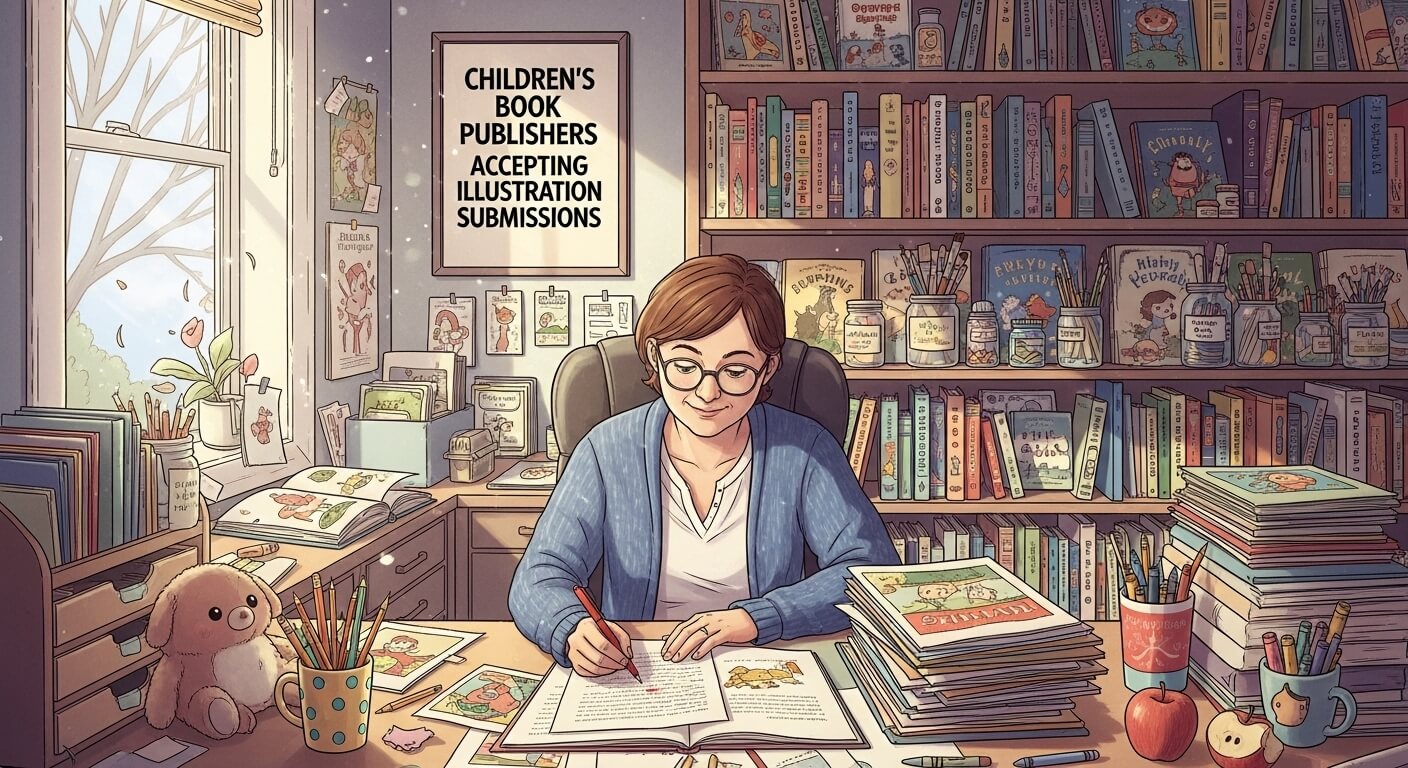
Breaking into children’s book publishing can feel like a dream come true for illustrators. Whether you are creating whimsical characters, emotional scenes, or action-packed adventures, children’s books offer one of the most inspiring creative spaces in the entire publishing world. Unlike many other forms of illustration work, submitting your art to children’s book publishers gives you the chance to be part of developing stories filled with imagination, playfulness, and memories that young readers carry for life.
Today, many publishers openly welcome illustration submissions—even from new artists—with streamlined submission guidelines, digital portfolio uploads, and focused instructions on format, style, and storytelling. So, if you have a passion for kid-focused art and you’re ready to work professionally in this creative genre, now is one of the best times to start exploring.
In this blog, we’ll walk through how submissions work, what publishers expect from illustrators, what mistakes to avoid, and a carefully curated list of respected children’s book publishers actively accepting illustration samples. These companies look for creative artists who can visually navigate character development, worldbuilding, narrative pacing, and emotional clarity—all key ingredients in memorable children’s literature.
But before we introduce the publishers, let’s understand how illustrators can strengthen their submission chances through strong presentation, editing, consistency, and professional etiquette.
How Illustrators Can Improve Their Chances Before Submitting
Illustrators entering children’s book publishing need much more than art skills—they need awareness of the business side of the industry. Editors and publishers receive hundreds of submissions every month, and only a few portfolios stand out enough to move forward into contract conversations. Here are key approaches to showcase professional readiness:
1. Build a Cohesive Portfolio
A publisher wants to see multiple pieces that feel like they came from the same artist. Your style can evolve, but a portfolio should show visual consistency that suggests you could successfully illustrate a full book without major stylistic changes halfway through. Whether your style is soft watercolor, bold digital, graphic ink, textured pastel, or something experimental, make sure the style holds through multiple sample works.
2. Demonstrate Character Range
Children’s books depend heavily on character personality. Publishers look for:
- Expressions
- Body language
- Emotional nuance
- Ability to communicate a character’s thoughts without text
Many publishers judge illustrations based on whether a child could understand what a character is feeling, even if the words were removed.
3. Show Sequencing and Storytelling
One of the most underestimated skills in children’s book illustration is narrative flow. A single beautiful image is impressive—but the real mastery is showing how a scene unfolds over multiple images. Try including:
- A four-panel sequence
- A big emotional moment in multiple styles
- Characters reacting before, during, and after something happens
Publishers want to feel you can carry a full 32-page story visually.
4. Understand the Market and Genre
Every publisher occupies a different genre space:
- Picture books
- Middle-grade illustrated novels
- Early readers
- Educational nonfiction
- Graphic stories
Study each publisher’s style before submitting, and tailor your samples so they look like they would belong on their current shelves.
5. Edit and Curate Your Submission
A strong submission is not 100 illustrations—it is 8–15 powerful pieces that best represent your storytelling skills. Show variety but never overwhelm. Editing your portfolio down to the best examples is essential.
6. Include Professional Formatting
While guidelines differ, most publishers accept:
- 300dpi JPG or PNG images
- PDF sample packet
- Online portfolio link
- A short cover letter
Avoid attaching enormous files or providing poor image resolution.
7. Stay Patient and Professional
Publishing decisions are slow. Some publishers respond in 2 weeks, others take 4 months or more. Keep working, improving, and submitting to other houses while waiting.
Top Children’s Book Publishers Actively Accepting Illustration Submissions
1. Holiday House
Holiday House is a respected children’s book publisher known for picture books, early readers, and middle-grade titles. Illustrators submitting portfolios should demonstrate strong storytelling skills, expressive characters, and narrative pacing. They appreciate artists who understand emotional beats, page turn impact, and visual clarity. Submissions typically include artwork samples and a short introduction.
2. Candlewick Press
Candlewick Press welcomes illustrators with strong creative voices and high-level storytelling aesthetics. Their books often feature emotional depth, unique artistic vision, and innovative visual treatment. They expect submissions that demonstrate character consistency, dynamic scene transitions, and polished narrative art. Professional presentation, clear communication, and compelling visual storytelling greatly improve an illustrator’s chance of standing out during review.
3. Houghton Mifflin Harcourt
Houghton Mifflin Harcourt seeks illustrators capable of enriching children’s literature visually across narrative genres. Their editors appreciate cohesive portfolios showing expressive characters, believable environments, and strong pacing across sample sequences. Submissions that demonstrate thoughtful design, emotional engagement, and publishing readiness are well received. Illustrators should provide a professional cover note, sample work, and portfolio access.
4. Scholastic
Scholastic is a leading force in children’s publishing and encourages illustrators to submit portfolios that balance creativity and readability. They value distinctive visual identity, engaging storytelling, and consistent character design. Submissions should include work that translates well into printed formats. Their review teams assess narrative communication, audience appeal, and overall professional readiness for potential projects.
5. Albert Whitman & Company
Albert Whitman & Company looks for illustrators capable of bringing children’s stories to life with warmth, heart, and personality. They appreciate illustrative work that aligns with emotional storytelling, strong character silhouettes, and clear visual action. Portfolios with narrative sequences and expressive scenes stand out during submission review. Professional formatting and clarity strengthen overall presentation.
6. Chronicle Books
Chronicle Books seeks illustrators who blend artistry with market appeal and narrative clarity. Their titles showcase innovative design, emotional resonance, and original visual interpretation of children’s experiences. They expect submissions that demonstrate style consistency, strong storytelling instincts, and thoughtful design choices. Illustrators with visually compelling sequencing often attract more interest during consideration and development conversations.
7. Peachtree Publishing
Peachtree Publishing values illustrators who understand how visual storytelling drives emotional impact and reader engagement. Portfolios that demonstrate unique character expressions, environmental detail, and sequential pacing typically stand out. Their review team appreciates clarity of movement, originality, and professional submission formatting. Illustrators are encouraged to display narrative range and a consistent, polished design presentation across sample artwork.
8. Lee & Low Books
Lee & Low Books looks for illustrators capable of supporting diverse narratives with authenticity and emotional sensitivity. They appreciate artwork that reflects cultural specificity, realistic character representation, and a strong storytelling perspective. Submissions should showcase character emotion, scene development, and narrative clarity. Professional presentation and thoughtfully curated samples help increase an illustrator’s opportunity for successful review consideration.
9. Capstone
Capstone publishes books that support young readers across picture books, educational titles, and illustrated nonfiction. They welcome illustrator submissions showing polished technique, visual clarity, and narrative engagement. Their editors appreciate professional presentation, emotional depth, and artwork that works well in structured layouts. Demonstrating consistency across multiple characters strengthens an illustrator’s chance of standing out during review.
10. Nosy Crow
Nosy Crow welcomes illustrators whose work feels energetic, playful, and emotionally engaging. They seek artists capable of shaping storytelling independently and in partnership with writers. Portfolios should include expressive character moments, strong pacing, and clear illustration logic. Professional submissions with curated samples, strong artistic control, and narrative flow tend to perform well during evaluation.
What Illustrators Should Do After Submitting to Publishers
Submitting your portfolio is only the first step. Many illustrators assume that after they email their samples, the publisher will contact them if they are interested. While that can happen, it is important to stay active and purposeful in the meantime.
Keep Building New Work
Children’s book illustration is incredibly competitive, and editors notice visible growth. Even after submitting, remain committed to:
- Creating new sequences
- Experimenting with style refinement
- Adding new character studies
- Improving scene depth and composition
If months pass before a response, you want your portfolio to be even stronger by that time.
Strengthen Your Professional Profile
Even without web links, illustrators can build presentation materials such as:
- Digital sample sheets
- One-page art resumes
- Compact submission reels
- Business cards
- Updated PDFs
Keep all materials organized, polished, and readable.
Develop Industry Skills
Illustrators who thrive long-term are those who treat the career as a professional practice—not only an art passion. Invest time into:
- Understanding printing and layout mechanics
- Learning basic industry standards
- Knowing how publishing, printing, and distribution work
- Continuing creative development
Create a Personal Marketing System
Professional illustrators don’t simply wait for publishers to call—they reach out. You can:
- Research publishers that match your genre
- Follow industry announcements
- Network with writers
- Create digital samples for editors
- Send periodic updates when your portfolio improves
This type of personal marketing helps keep your name active in the industry, especially when art directors maintain large talent databases.
Follow Up Professionally
If guidelines allow, follow up respectfully after 8–12 weeks. Some publishers reply, others don’t, but professional courtesy never hurts your reputation.
Final Thoughts
Breaking into children’s book publishing as an illustrator takes commitment, patience, and professionalism. A well-edited portfolio that demonstrates storytelling ability, character emotion, visual consistency, and an understanding of your creative genre gives you a major advantage over generic submissions. By submitting thoughtfully, staying persistent, and continually improving your craft, you increase your chances of connecting with a publisher who believes in your artistic voice.
With so many children’s book publishers actively reviewing illustrator submissions, this is a great moment to put your creative talent in front of people who produce the stories millions of kids grow up reading. Keep learning, keep drawing, and keep sending your work out into the world—you never know which submission will change your career.
Disclaimer: Cloud Ghostwriting provides details about publishers and submission opportunities solely for informational purposes. We are not affiliated with or endorsed by any publishing houses, and we do not guarantee anything related to submissions, acceptance, or publication outcomes. Our role is to support authors through professional writing, editing, and marketing services that strengthen their manuscripts and publishing readiness.


