
 +1-623-439-7197
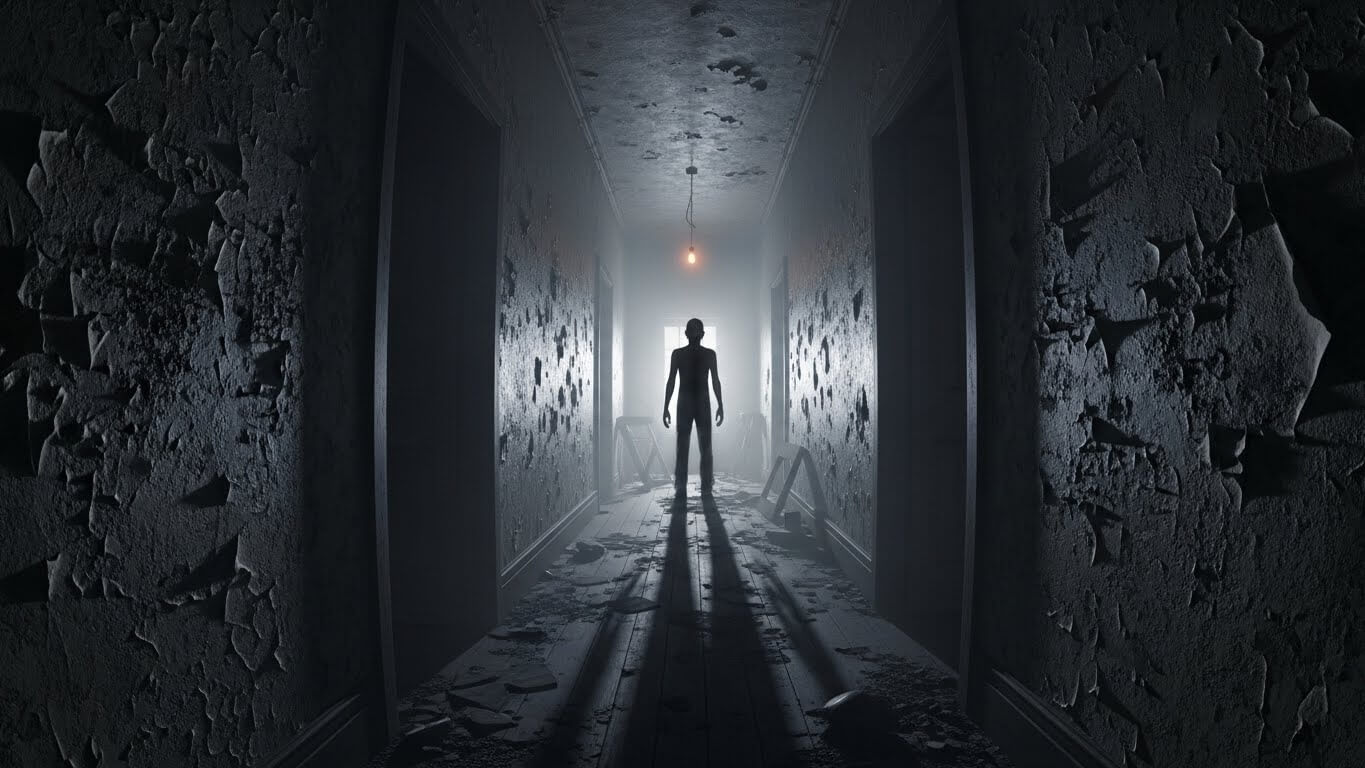
A Complete Guide to Creating Fear, Tension, and Lasting Dread
Horror is one of the most powerful genre writing in storytelling because it reaches directly into the reader’s emotions. A truly scary scene does more than describe something frightening—it makes the reader feel unsafe, uneasy, and vulnerable. Writing such a scene is not about gore or shock alone; it is about atmosphere, anticipation, and control.
In this article, you will learn how to write a terrifying scene step by step, using proven storytelling techniques that professional horror writers rely on. Whether you are writing supernatural horror, psychological horror, or suspense-driven fear, these principles will help you create scenes that linger in the reader’s mind long after the page is turned.
Understand the Purpose of a Scary Scene
Before you begin writing, ask yourself why this scene exists in your story.
A scary scene can:
- Introduce a threat
- Deepen the mystery
- Test a character’s courage or sanity
- Raise the stakes
- Shift the story into darker territory
A good horror scene is never random. It pushes the story forward while intensifying fear.
Ask yourself:
- What should the reader feel at the end of this scene?
- What changes for the character after this moment?
Fear is strongest when it has meaning.
Choose the Type of Fear You Want to Create
Not all horror works the same way. Identifying the type of fear you want will guide your writing choices.
Common Types of Fear in Horror
- Dread: Slow, creeping unease that builds over time
- Suspense: Anxiety caused by anticipation
- Shock: Sudden, unexpected terror
- Psychological fear: Loss of control, madness, guilt, paranoia
- Existential fear: Fear of the unknown or the inevitable
The most effective scary scenes often combine dread and suspense, then deliver a moment of shock.
Build Atmosphere Before Anything Happens
Atmosphere is the foundation of horror. Without it, even the most frightening event will fall flat.
Key Elements of Horror Atmosphere
- Isolation
- Silence or unnatural quiet
- Darkness or limited visibility
- Confined spaces
- Familiar places made strange
Instead of rushing into action, allow the environment to speak.
Example concept:
A house at night is not scary by itself.
A house where the clock has stopped, the air smells stale, and no sound exists except breathing—that is unsettling.
Use Sensory Details to Immerse the Reader
Fear becomes real when the reader can sense it.
Focus on:
- Sound: footsteps, whispers, breathing, scraping
- Sight: shadows, flickering light, movement at the edge of vision
- Touch: cold air, damp walls, trembling hands
- Smell: mildew, metal, smoke, rot
- Taste: bitterness, dust, fear in the mouth
Avoid listing details. Choose one or two strong sensory details and make them vivid.
Control Pacing to Manipulate Fear
Pacing is one of the most important tools in horror.
Slow Pacing (Build Tension)
- Longer descriptions
- Focus on thoughts and hesitation
- Fewer events
- Longer paragraphs
Fast Pacing (Release Fear)
- Short sentences
- Simple words
- Rapid action
- Paragraph breaks
A classic horror technique is slow buildup followed by a sudden shift.
Show Fear Through the Character’s Body and Mind
Never tell the reader a character is scared. Show it.
Instead of:
He was terrified.
Show:
- Shaking hands
- Difficulty breathing
- Tight chest
- Inability to move
- Racing or blank thoughts
Fear affects people physically and mentally. Use both.
Example:
His mouth felt dry. He swallowed, but the sound seemed too loud in the dark.
Use the Power of the Unknown
What readers imagine is often scarier than what you show.
To maintain fear:
- Hide the full threat
- Reveal it in pieces
- Delay explanations
- Let sounds exist without visible sources
Avoid explaining everything immediately. Mystery creates fear.
Limit Information on Purpose
In horror, less is more.
Do not:
- Explain the monster’s full origin
- Clarify every sound
- Reassure the reader too soon
Confusion mirrors fear. When characters don’t fully understand what’s happening, readers feel vulnerable too.
Make the Scene Personal
A scene becomes truly scary when it targets something personal.
Fear increases when:
- The threat knows the character
- The scene exploits guilt, trauma, or secrets
- The danger threatens someone or something the character loves
Personal fear is stronger than generic danger.
Use Language That Feels Sharp and Uncomfortable
Word choice matters more in horror than in almost any other genre.
Effective Horror Language
- Concrete nouns
- Active verbs
- Short, sharp words
- Uneven sentence rhythm
Avoid:
- Overused horror clichés
- Abstract words like “evil” or “darkness”
- Overly poetic language during tense moments
Your prose should feel tight, not decorative.
Silence and White Space Are Tools
Fear thrives in silence.
Use:
- One-line paragraphs
- Empty lines
- Abrupt breaks
White space slows the reader and creates anticipation.
Example structure:
The noise stopped.
Something was standing behind her.
Make the Threat Feel Unavoidable
A powerful scary scene removes easy escape.
- Doors are locked
- Phones don’t work
- The character is alone
- Help is too far away
When escape feels impossible, fear intensifies.
Avoid Overusing Gore
Graphic detail does not automatically make a scene scary.
In many cases:
- Suggestion is more effective than description
- Emotional impact is stronger than physical detail
- Implied danger lasts longer in the reader’s mind
Use restraint. Let fear do the work.
End the Scene With Impact
A horror scene should not simply fade out.
Strong endings include:
- A disturbing reveal
- A realization
- A twist in understanding
- A sudden escalation
- A false sense of safety that collapses
The goal is to leave the reader uneasy and eager to continue.
Revise for Fear, Not Just Clarity
First drafts rarely achieve maximum fear.
During revision:
- Remove unnecessary explanations
- Tighten sentences
- Increase sensory detail
- Strengthen pacing
- Cut anything that reduces tension
Ask yourself:
Does this sentence make the scene scarier—or safer?
Common Mistakes to Avoid
- Rushing the scare
- Explaining too much
- Relying only on jump scares
- Using clichés
- Forgetting character emotion
Horror fails when it becomes predictable or over-explained.
Practical Writing Exercise
Exercise:
Write a 500-word scene where:
- A character hears a sound that shouldn’t exist
- They investigate alone
- The threat is never fully revealed
- The scene ends with a disturbing realization
Focus on tension, not action.
Final Thoughts
Writing a scary scene is an exercise in control—control of pacing, information, language, and emotion. The most terrifying moments in horror are not the loudest or most violent; they are the quiet moments where something feels wrong and no one knows why.
When you focus on atmosphere, character, and anticipation, you allow fear to grow naturally. Trust the reader’s imagination. Trust silence. And remember: what is unseen often leaves the deepest scars.
A well-written scary scene doesn’t just frighten—it haunts.


